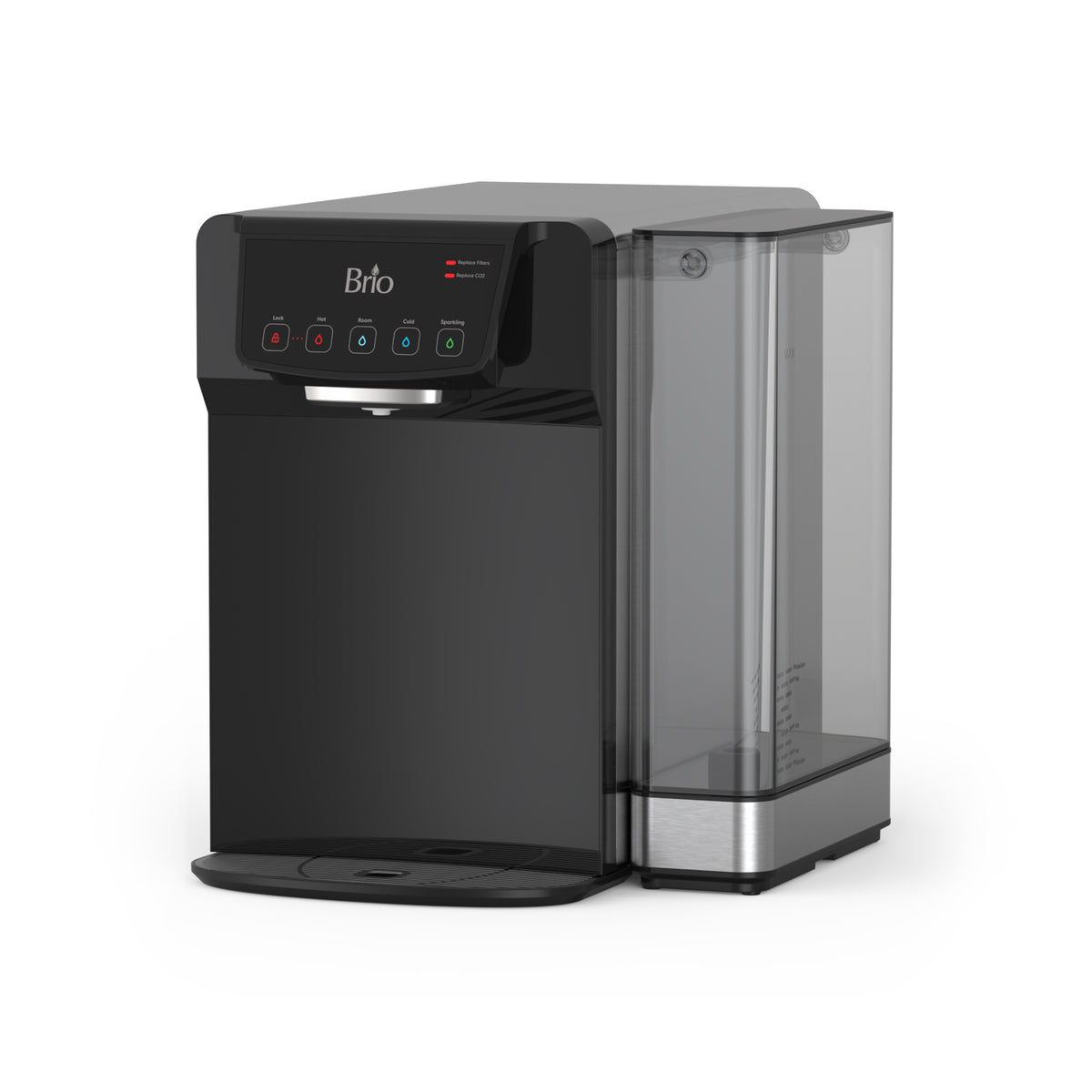
Bottleless Dispensers
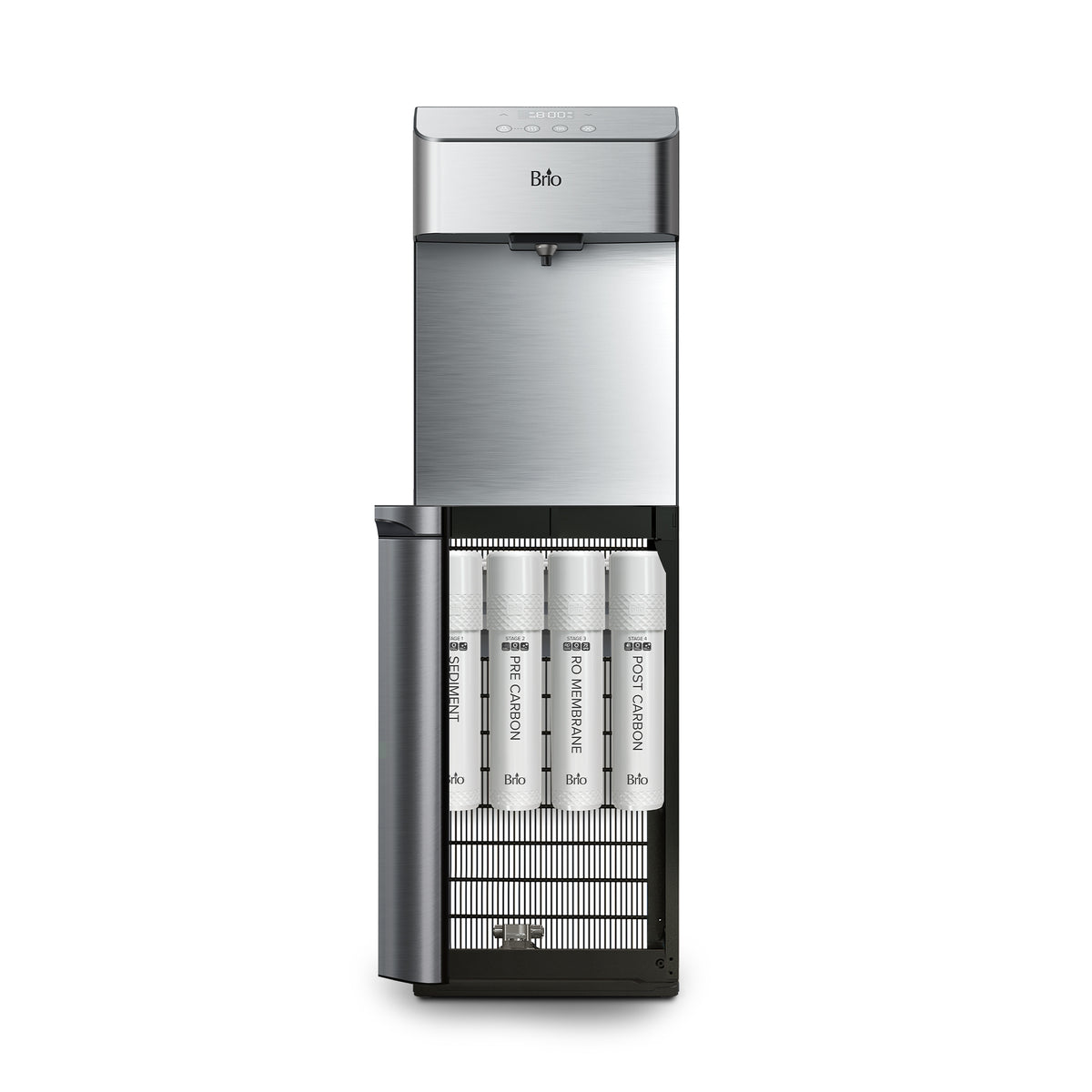
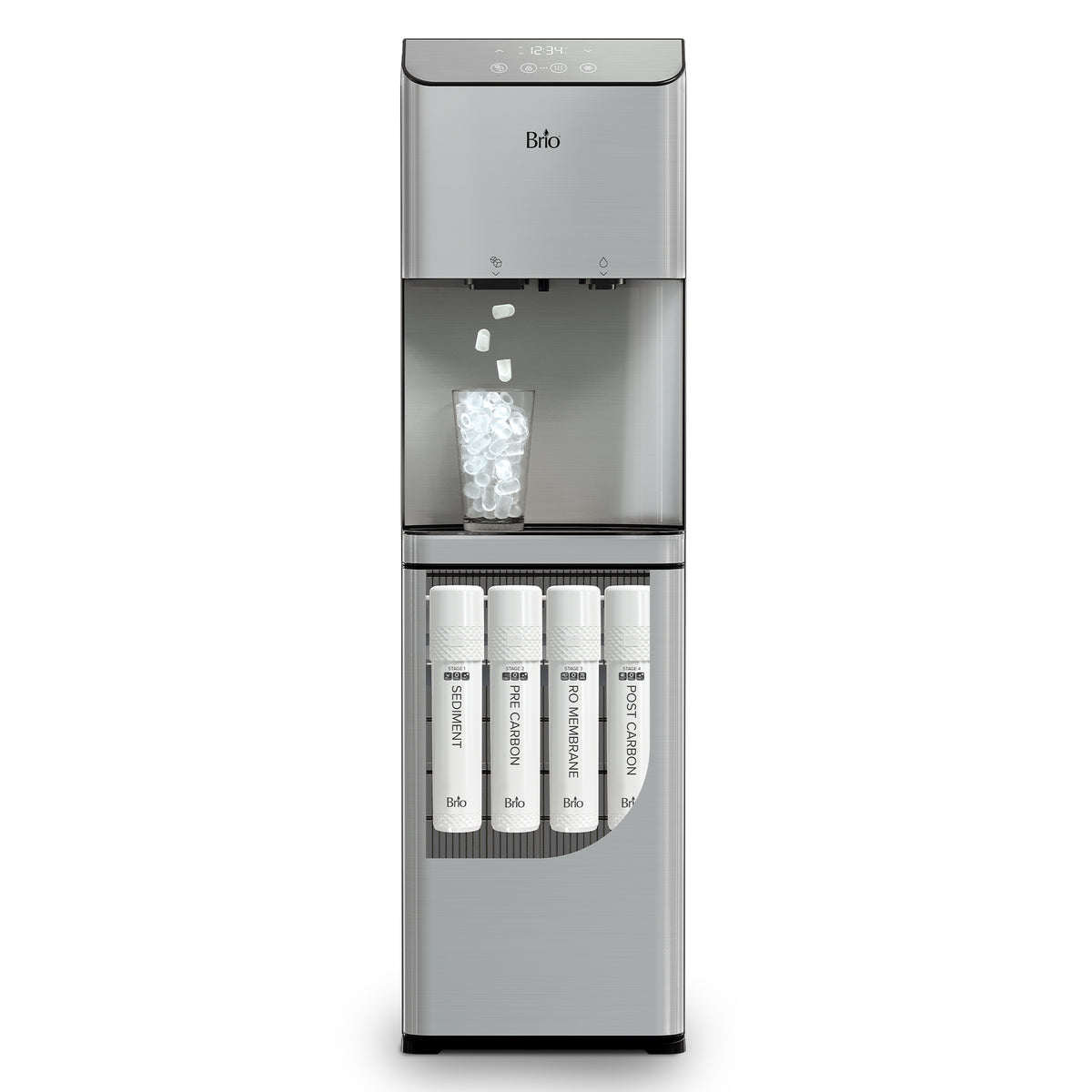
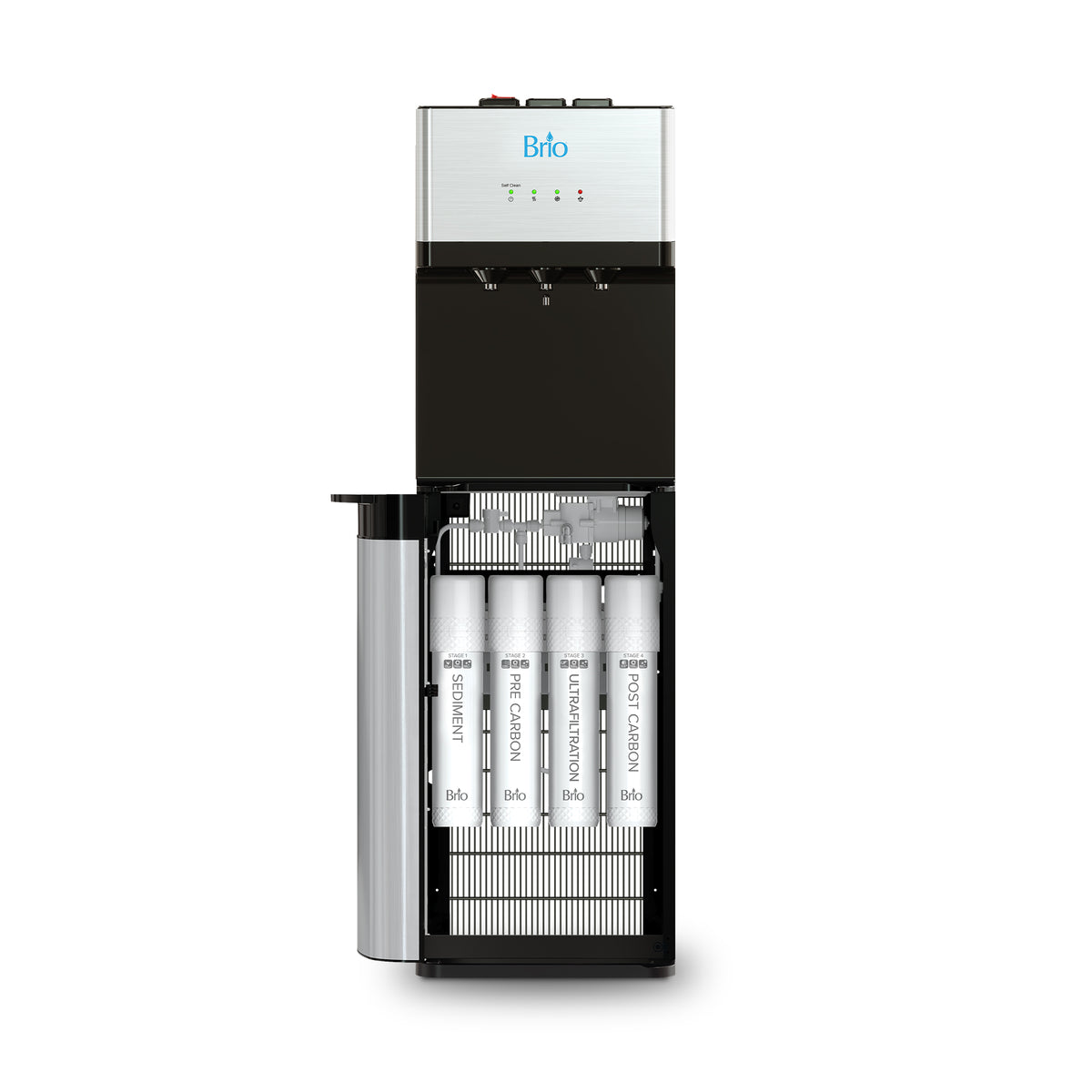
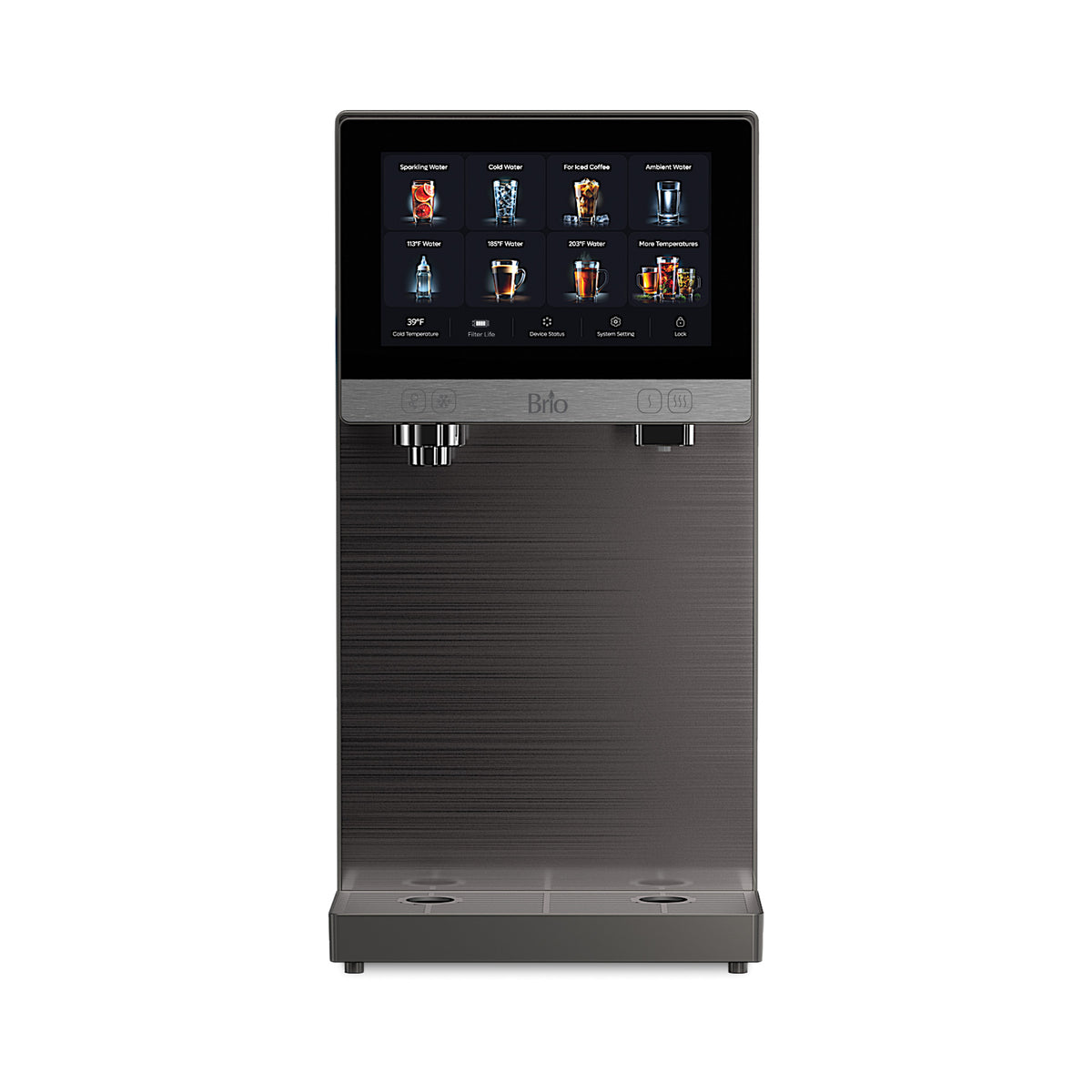
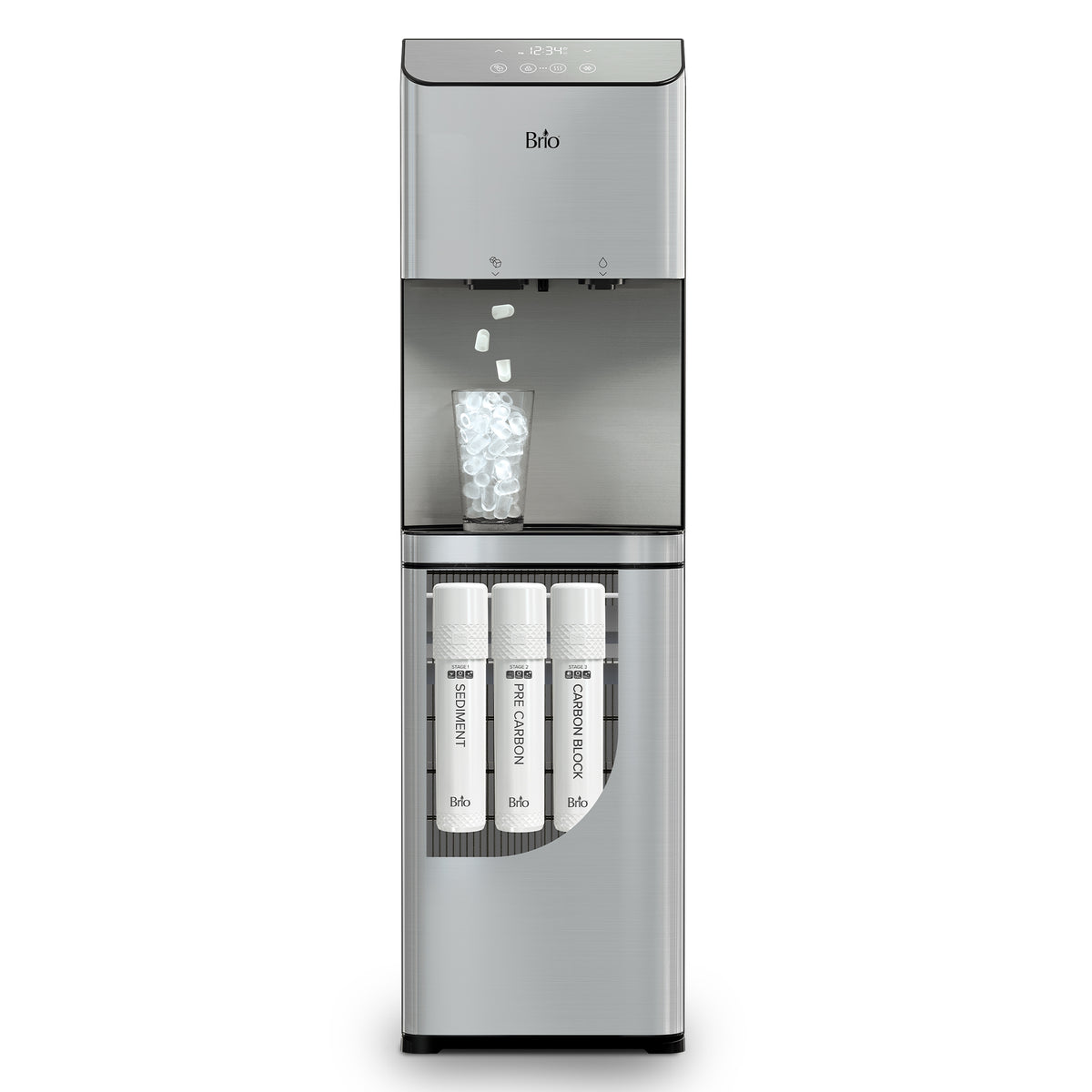
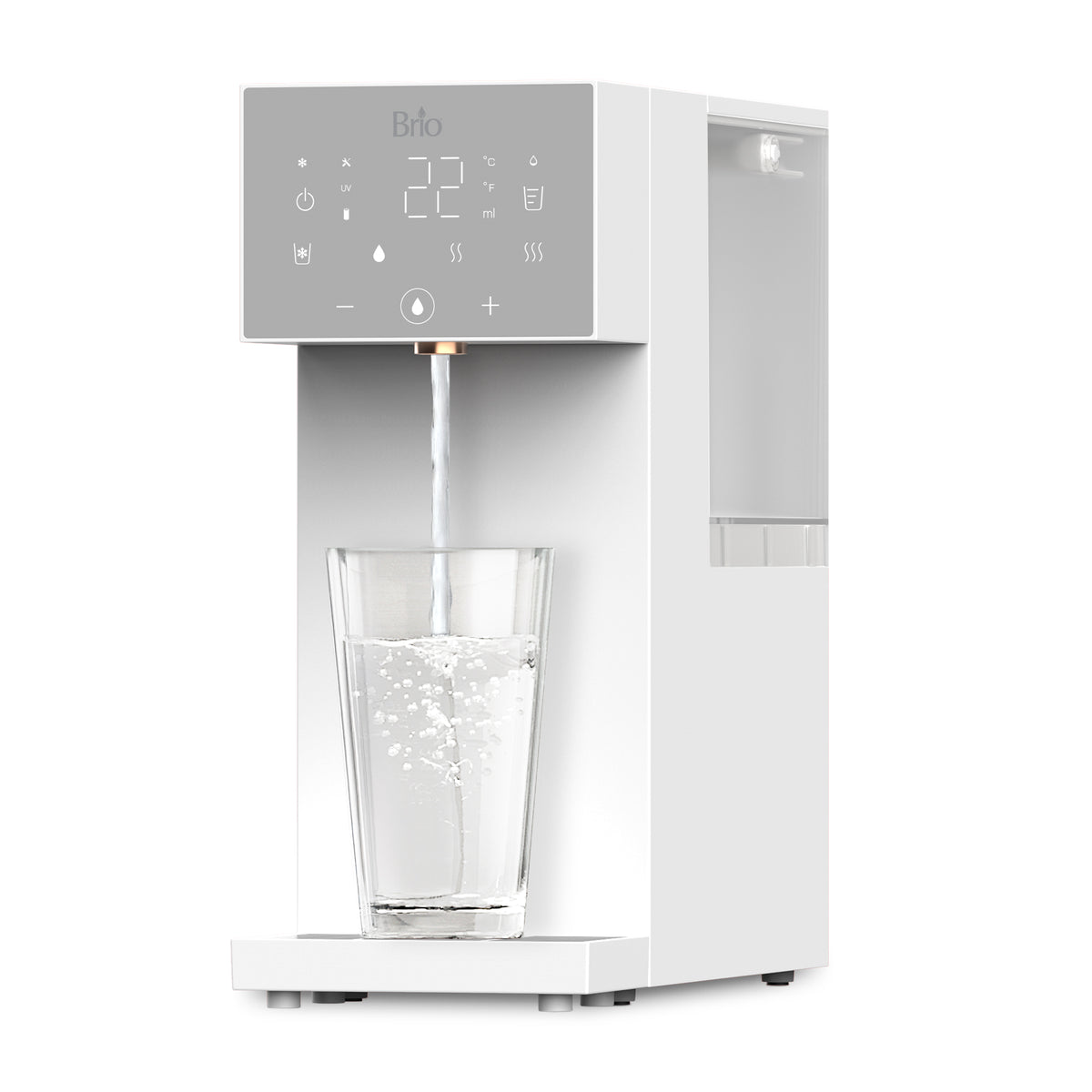
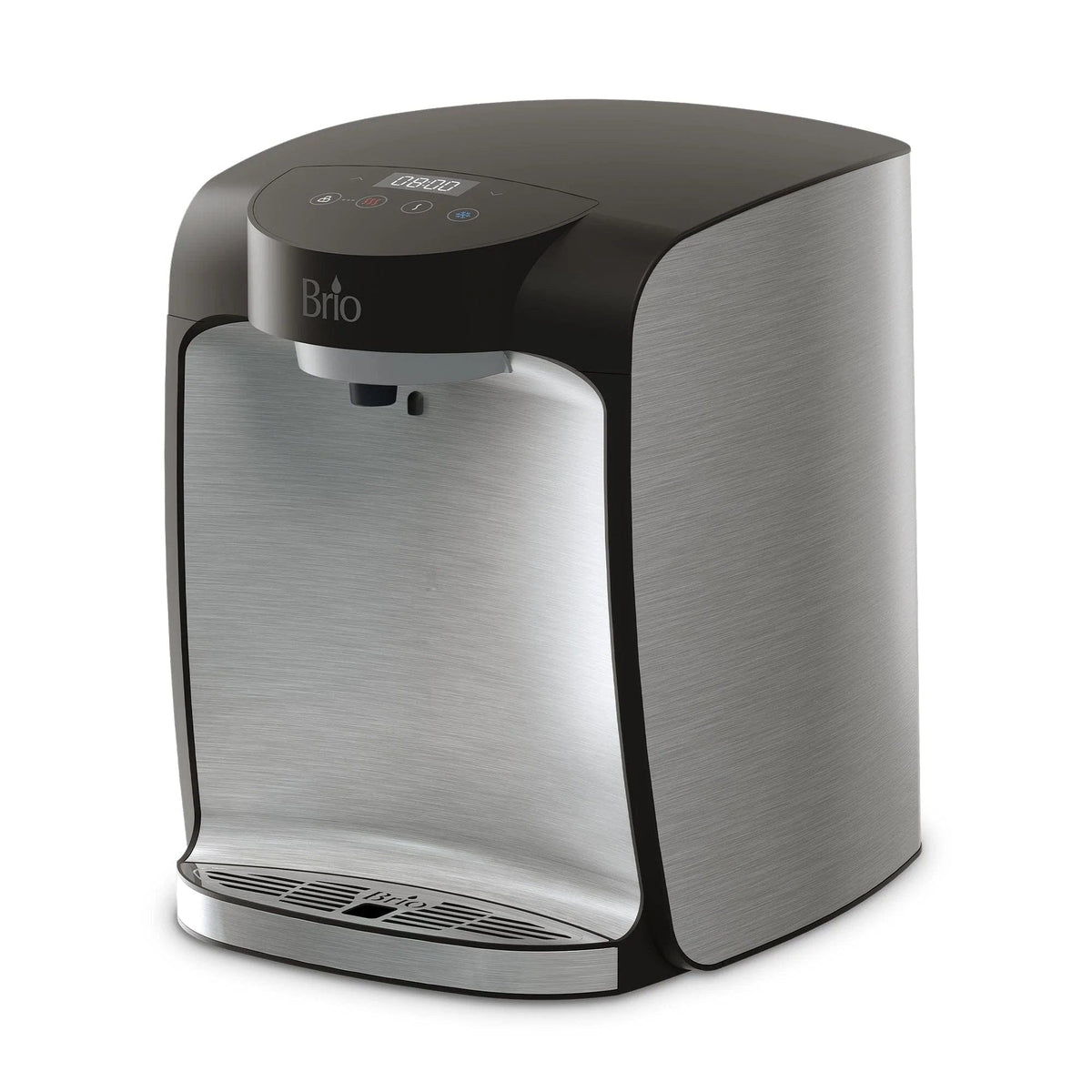
Enjoy endless purified refreshment with a Brio bottleless water dispenser.

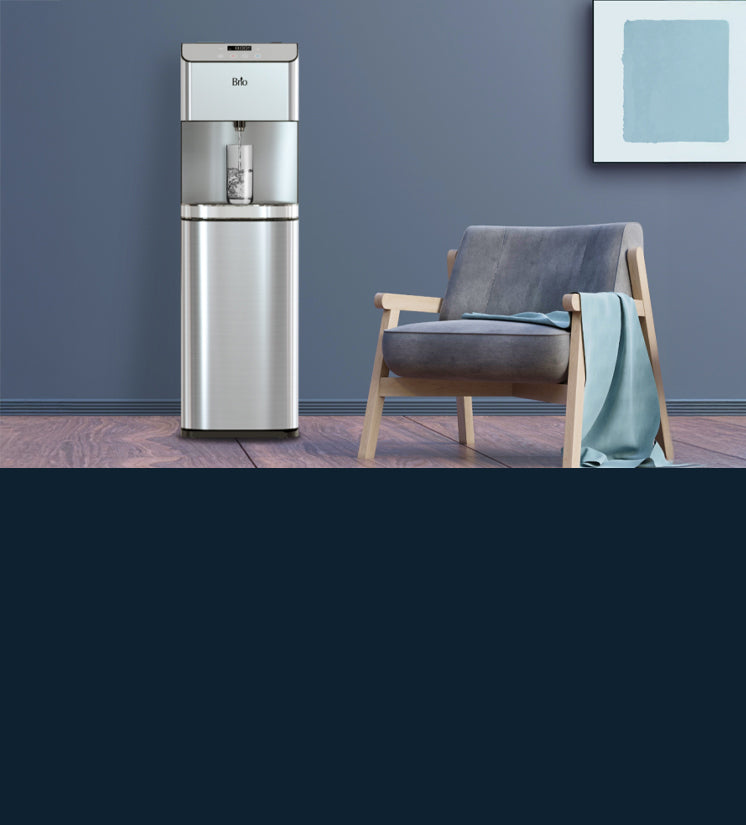




To make things easier, we’ve included FAQs on a wide range of topics. You can find further assistance at the Brio Help Center.
Bottleless water dispensers provide filtered water on demand without the need to lift heavy bottles and manage delivery schedules. They connect to your water line and use multi-stage filtration to remove contaminants from your tap water and improve the taste. You’ll also see lower costs by skipping bottled water, and at the same time, you’ll reduce single-use plastic waste. In addition, Brio models feature tri-temperature dispensing, self-cleaning, and sleek designs that look great in any home or office. It’s an all-in-one hydration solution that combines convenience, cost savings, and environmental benefits.
With proper care, a high-quality bottleless water cooler provides clean, fresh water for 7-10 years and beyond. Replacing filters as directed keeps your cooler running smoothly and prevents clogs and bacterial buildup. Dispensers with Ultraviolet (UV) sterilization or ozone self-cleaning also help extend long-term reliability.
Although frequent use can mean more wear and tear, regular upkeep helps extend its life.
For best results, follow Brio’s maintenance guidelines.
Bottleless water dispensers need electricity since they use multi-stage filtration, including reverse osmosis, which relies on electric-powered components. The cooler’s compressor chills water while heating elements provide instant hot water. Many Brio models also have UV sterilization or ozone self-cleaning, which requires power to keep your cooler bacteria-free. However, an undersink water filtration system relies only on water pressure.
Bottleless water dispenser range from around $199 to $1,999 and up, depending on the type and features. Most Brio bottleless water coolers cost between $299.99 and $449.99, making them an affordable upgrade from bottle deliveries and single-use plastic. Expect to pay more for top-tier perks like reverse osmosis filtration (RO) and UV sanitization.
While the upfront investment may cause you to pause, a bottleless cooler pays for itself over time. Plus, with the eco-friendly bonus of reducing plastic waste, it’s a win for your wallet and the planet.
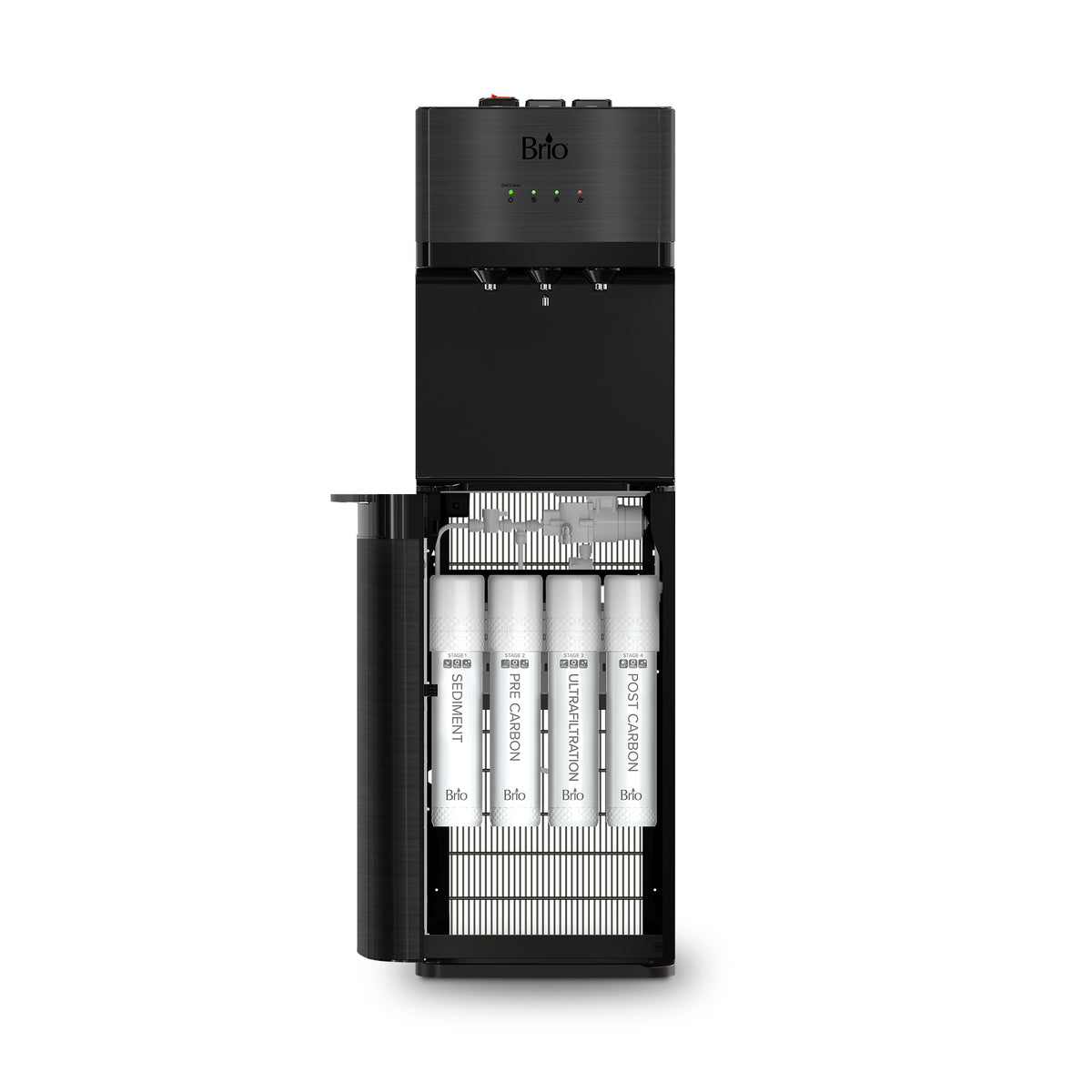
Bottleless water dispensers are often safer than bottled water. Brio bottleless coolers use 2-, 3-, or 4-stage filtration to remove chlorine, heavy metals, sediment, and VOCs. Reverse osmosis (RO) models provide additional purification and are highly effective at removing forever chemicals (PFAS). Many Brio coolers also feature UV sterilization and ozone self-cleaning to prevent bacteria, mold, or biofilm buildup so you can sip worry-free.
Unlike traditional water bottles that can harbor bacteria from improper storage or handling, a bottleless system delivers fresh, filtered water straight from your tap.
To keep your bottleless water dispenser running smoothly and your water crisp and clean, replace the filters every 6 to 12 months. However, when to replace filters depends on how much water you’re using and your local water quality.
Clean your bottleless water cooler’s reservoirs every 3 to 4 months, or more frequently if it receives heavy use or you live in a hot, humid climate. Give the exterior a wipe-down as needed with mild soap and water, and follow your model’s instructions for sanitizing the interior.
First, unplug the dispenser and wait for any hot water to cool down. Take out the drip tray and wash it with soapy water, then rinse it thoroughly. Wipe the exterior with a damp cloth, and pay special attention around the buttons and spout. To clean the inside, flush the reservoir and lines with a gentle cleaning solution, such as vinegar and water, then rinse thoroughly. If your cooler has a self-cleaning feature, follow the instructions in your user manual. Always refer to your product guide for exact instructions, as some coolers require different cleaning methods based on their filtration system.